Product
General Cognition Unit
An agentic autonomy stack for space systems

Earth-bound cognition limits space productivity.
Spacecraft sense far more than they can send home, and every decision about what to do next waits on a ground team, a contact window and the speed of light.
What we deliver
GCU puts cognition onboard.
Your platform perceives, reasons and decides without waiting for Earth, so it can do more of the work it was built for.
Where GCU flies
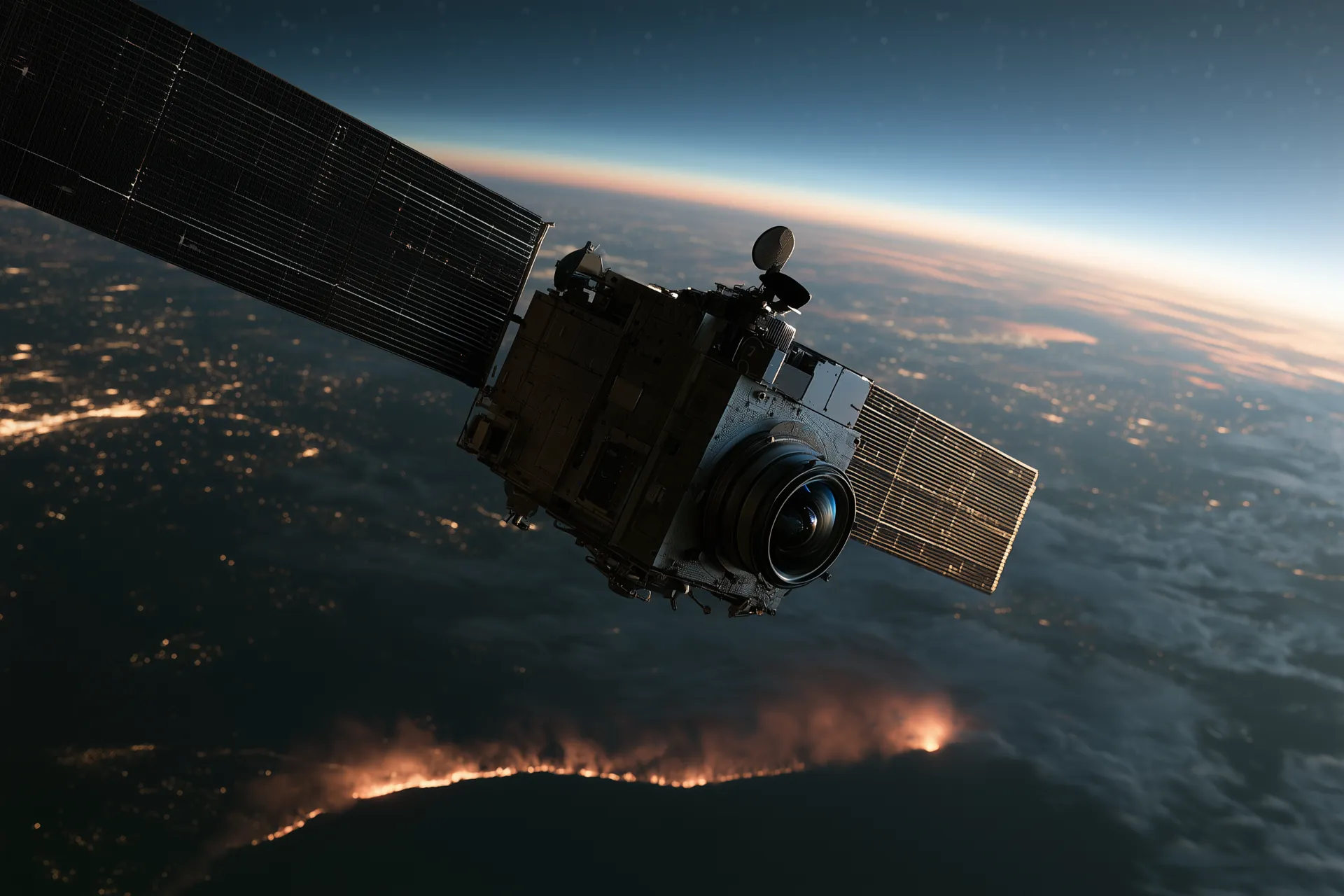
Earth observation
Decide onboard what is worth downlinking, based on what your customers or science team care about today. Turn observations into natural-language alerts, and flag significant events nobody tasked for to maximize insight yeilds.
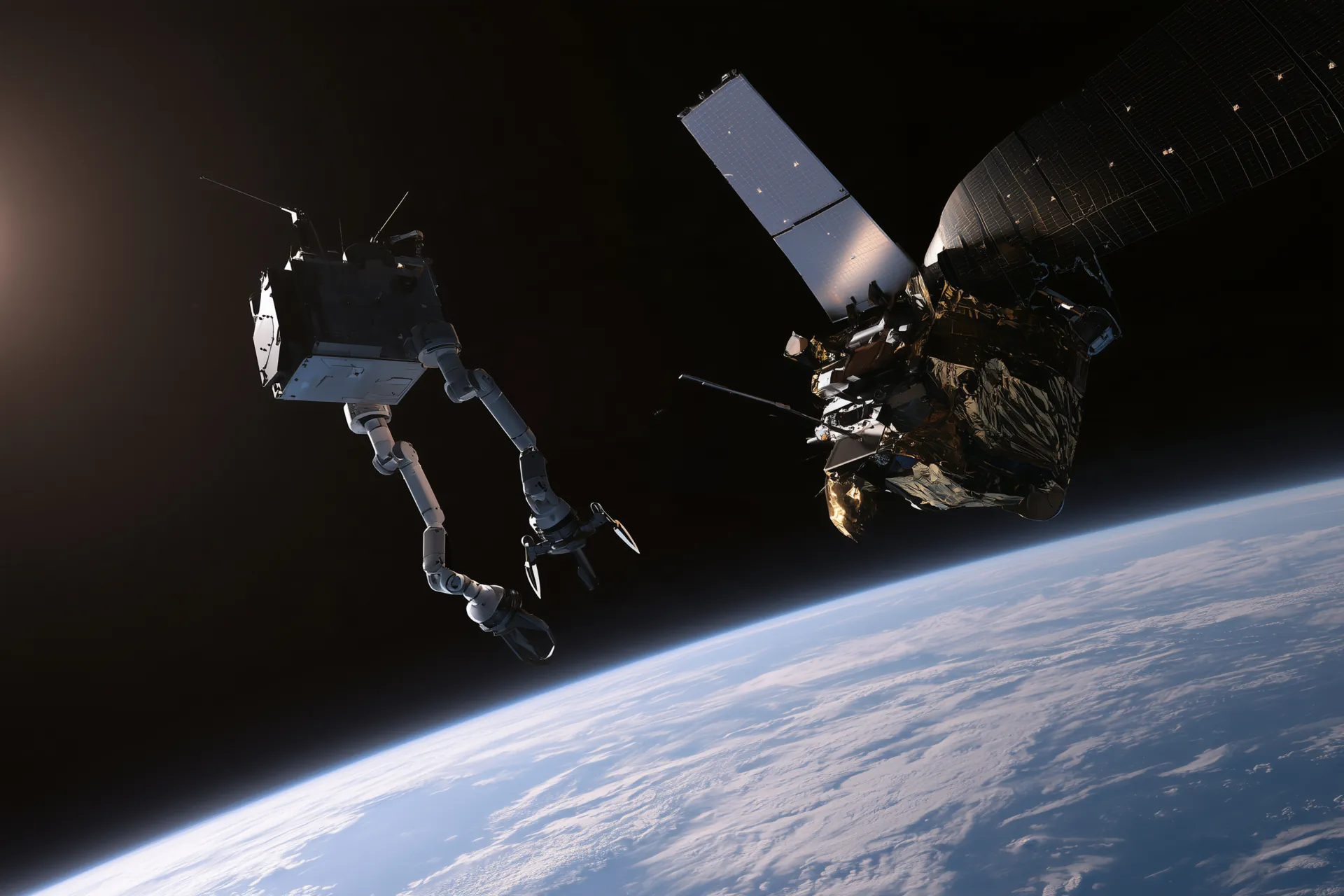
In-orbit inspection
Characterize unfamiliar objects in orbit, plan the next safe inspection pass, and report findings. For servicing, debris and space domain awareness missions.
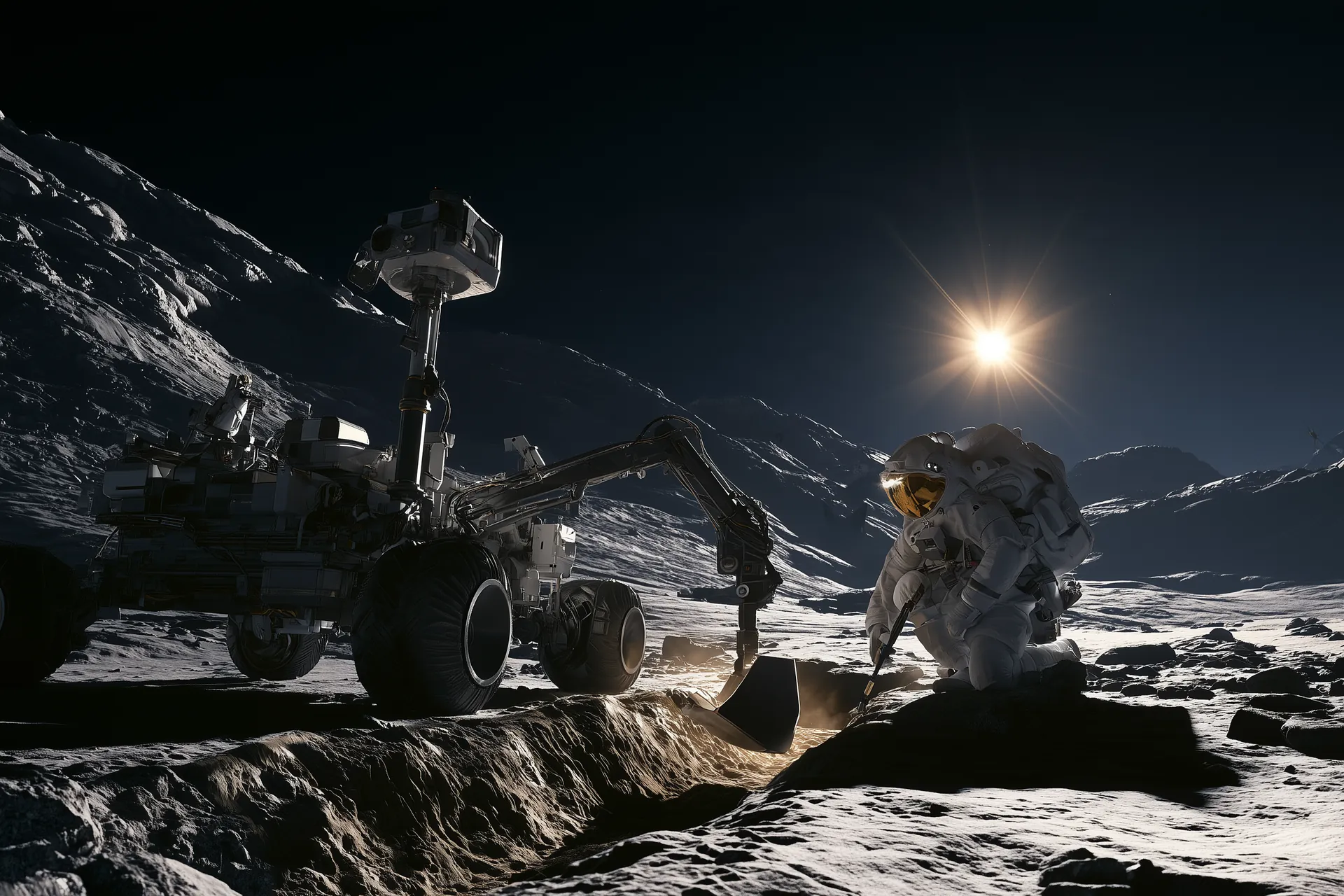
Lunar surface operations
Select science targets, keep rovers productive through communication gaps, catch and diagnose faults before the next contact window, and team with astronauts in natural language.
Why GCU
Judgment where the data is.
Your safety constraints, enforced by design.
Every agent action passes through a deterministic layer that enforces the constraints you define, so the guarantees are ones your team can verify, from simulation through hardware-in-the-loop.
- Flight-critical control stays with your flight software. Attitude, propulsion, mobility, power and thermal remain under the host's command.
- Every decision is explained. Each one is logged with its rationale for your team to review.
- Operators stay in command. Configure the agent's privileges, override any decision or bypass GCU entirely.
Path to orbit
MASAQ-01
Our flight demonstration will fly GCU aboard a 3U CubeSat in low Earth orbit.
Building a mission that needs onboard cognition?
See GCU in action, fly it on your next mission, or invest in what we're building.
Get in touchSources
- [1] B. Denby, B. Lucia, S. Noghabi, K. Chintalapudi and R. Chandra, "Kodan: Addressing the Computational Bottleneck in Space," ASPLOS 2023.
- [2] O. Lamarre and J. Kelly, "The Importance of Adaptive Decision-Making for Autonomous Long-Range Planetary Surface Mobility," i-SAIRAS 2024, summarizing V. Z. Sun et al., "Evolution of the Mars 2020 Perseverance Rover's Strategic Planning Process," IEEE Aerospace Conference 2024.
- [3] The Planetary Society, "Cost of Perseverance." About $300M for operations and science over the 2-year primary mission.
- [4] "AI Earth Observation in Space Delivers Live Insight," IEEE Spectrum, May 2026, quoting Kiruthika Devaraj, VP of Engineering at Planet: "we collect so much data and have to wait six to 12 hours to get the information out."
- [5] Vantor, "WorldView Access Programs." Cloud-based Rapid Access delivers within six hours.